


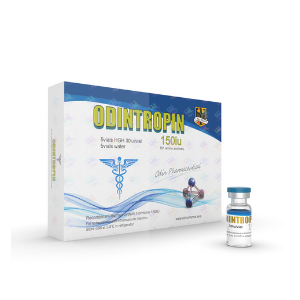
Odintropin 150 IU
$605.00
Odintropin 150 Iu Kit is used by female and male bodybuilders as an human growht hormone during the cutting and bulking period in bodybuilding. The effects and side effects of Somatropin for female and male bodybuilders differ
Odintropin is a brand name for the synthetic hormone – somatropin. It is used to treat growth hormone deficiency in children and adults. Odintropin stimulates growth and cell reproduction in the body. It is available in injection form that is given under the skin by a healthcare professional.
Composition:
Odintropin contains recombinant human growth hormone (hGH) which is identical to the natural growth hormone produced in the body. The active ingredient somatropin is produced by using recombinant DNA technology.
Uses:
Odintropin is used to treat growth hormone deficiency in children and adults. It is also used in the treatment of Turner syndrome, Prader-Willi syndrome, chronic renal insufficiency, short stature due to low birth weight, and growth failure in children with cystic fibrosis.
Usage and Dosage:
Odintropin is given as an injection under the skin by a healthcare professional. The dosage is determined based on the patient’s age, weight, and medical condition. The recommended dosage for children is 0.033 mg/kg/day. For adults, the initial dosage is 0.2-0.5 mg/day, which can be gradually increased up to 1.0 mg/day based on the individual’s response. It is generally recommended to administer the injection before bedtime.
Storage Conditions:
Odintropin should be stored in a refrigerator at a temperature of 2-8°C. Do not freeze the medication. The drug should be protected from light and kept away from children.
Mechanism of Action:
Odintropin binds to specific receptors on the surface of cells in the body, including skeletal muscle cells, liver cells, and adipose tissue cells. This binding initiates a signaling pathway that leads to increased protein synthesis and cell growth. Odintropin also increases the release of insulin-like growth factor-1 (IGF-1) from the liver that promotes cell growth and repair.
Contraindications:
Odintropin is contraindicated in patients with hypersensitivity to somatropin or any of the ingredients in the formulation. It should not be used in patients with active cancer, diabetic retinopathy, or untreated hypothyroidism. Odintropin should also not be used in patients with acute critical illness due to the increased risk of mortality.
Interactions:
Odintropin may interact with insulin and other antidiabetic drugs, corticosteroids, and sex hormones. These interactions may cause an increased risk of hypoglycemia, impaired glucose tolerance, and reduced efficacy of antidiabetic medications.
Side Effects:
Common side effects of Odintropin include swelling, redness, and itching at the injection site. Other side effects may include headache, joint pain, muscle pain, weakness, and fatigue. Long-term use of Odintropin may cause acromegaly, which is characterized by overgrowth of bones, organs, and tissues. Patients should closely monitor for any changes in vision or signs of increased intracranial pressure while using Odintropin.

Reviews
There are no reviews yet.